Introduction to Digital Marketing in 2026

Why 2026 Is a Turning Point
Let’s be honest – digital marketing in 2026 doesn’t look anything like it did even three years ago. The landscape has shifted. Algorithms are smarter. Consumers are sharper. And attention? It’s scarcer than ever.
If you’re still running strategies from 2023, you’re already behind.
The Speed of Change in Marketing
Marketing today moves like Formula 1, not a Sunday drive. Trends explode overnight. Platforms rise and fall. AI tools rewrite entire workflows. The brands that adapt win. The ones that hesitate? They disappear.
So what should you really focus on in 2026?
Let’s dive in.
AI-Powered Hyper-Personalization
From Basic Automation to Predictive Experiences
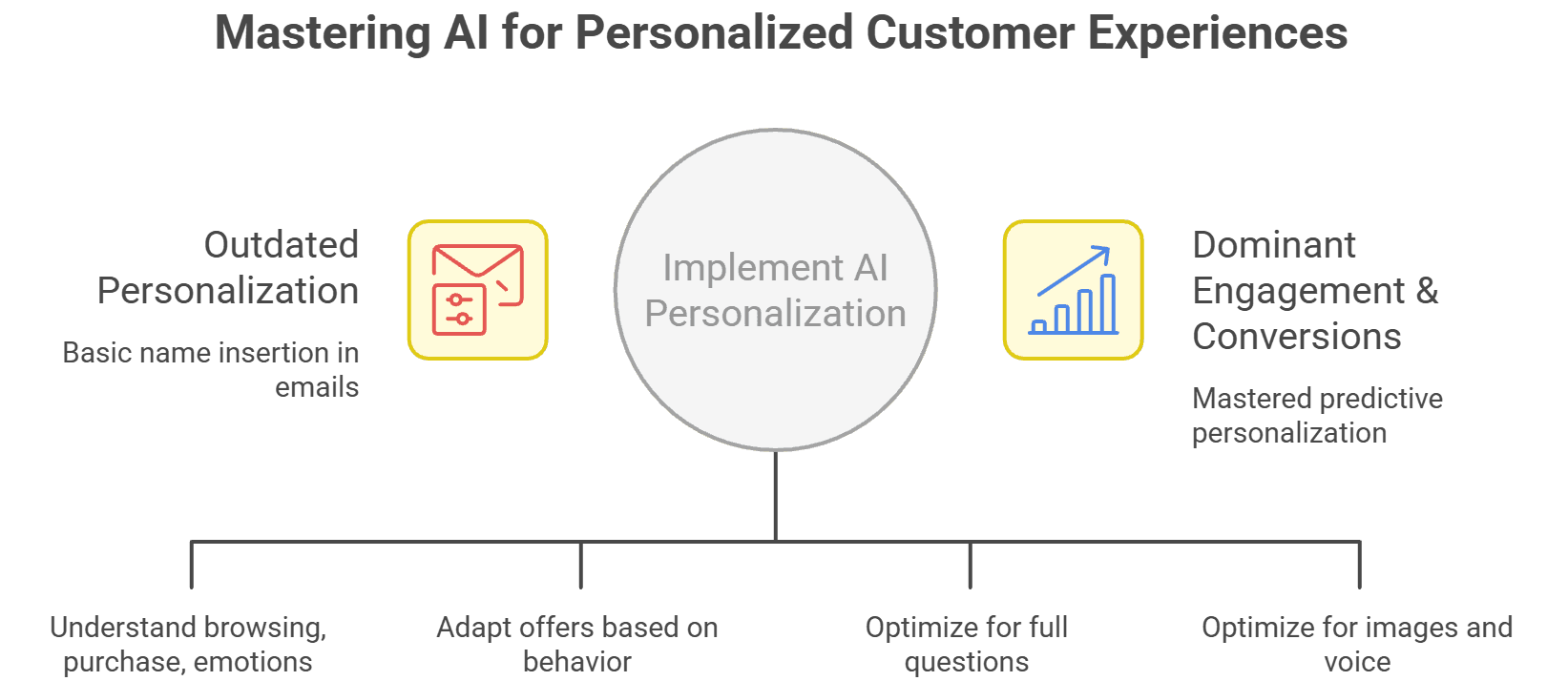
Remember when personalization meant adding someone’s first name in an email? Cute. But outdated.
In 2026, AI doesn’t just personalize it predicts. It understands browsing patterns, purchase cycles, emotional triggers, and timing. It shows customers what they want before they even search for it.
That’s powerful.
Real-Time Behavioral Targeting
Imagine someone visits your website at 10:03 PM. Within seconds, your system adapts — showing offers, content, and messaging tailored exactly to their behavior.
That’s not the future. That’s now.
Brands that master predictive personalization will dominate engagement and conversions.
Search Is No Longer Just Google
Rise of AI Search Engines
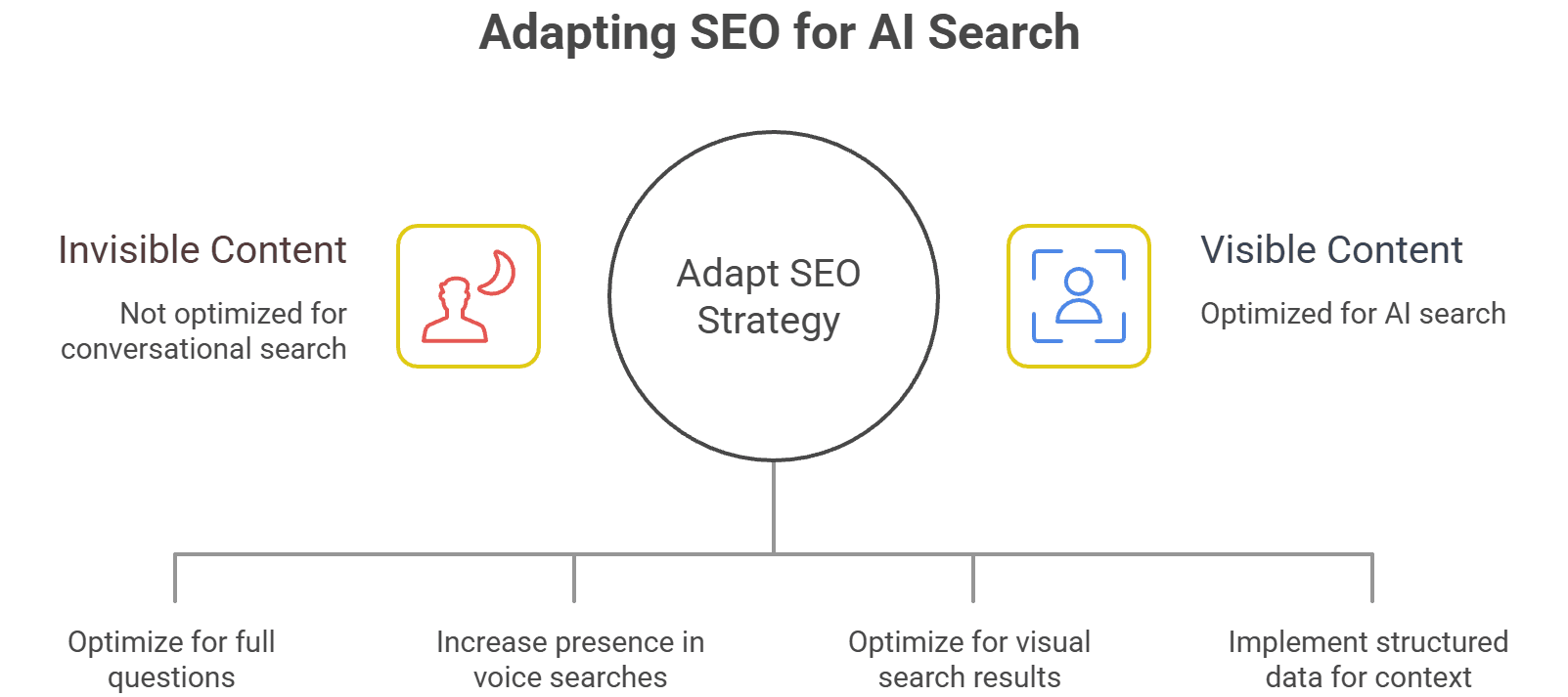
Search has evolved. People are asking AI assistants full questions instead of typing keywords. Instead of “best CRM,” they’re asking, “What’s the best CRM for a small retail business in India?”
If your content isn’t optimized for conversational search, you’re invisible.
Voice and Visual Search Domination
Voice searches are increasing. Visual search is exploding in eCommerce. Customers snap a photo and expect instant results.
SEO in 2026 is no longer just about keywords. It’s about context, intent, and structured data.
Short-Form Video Still Reigns Supreme
Attention Spans Are Shrinking
People scroll fast. Very fast.
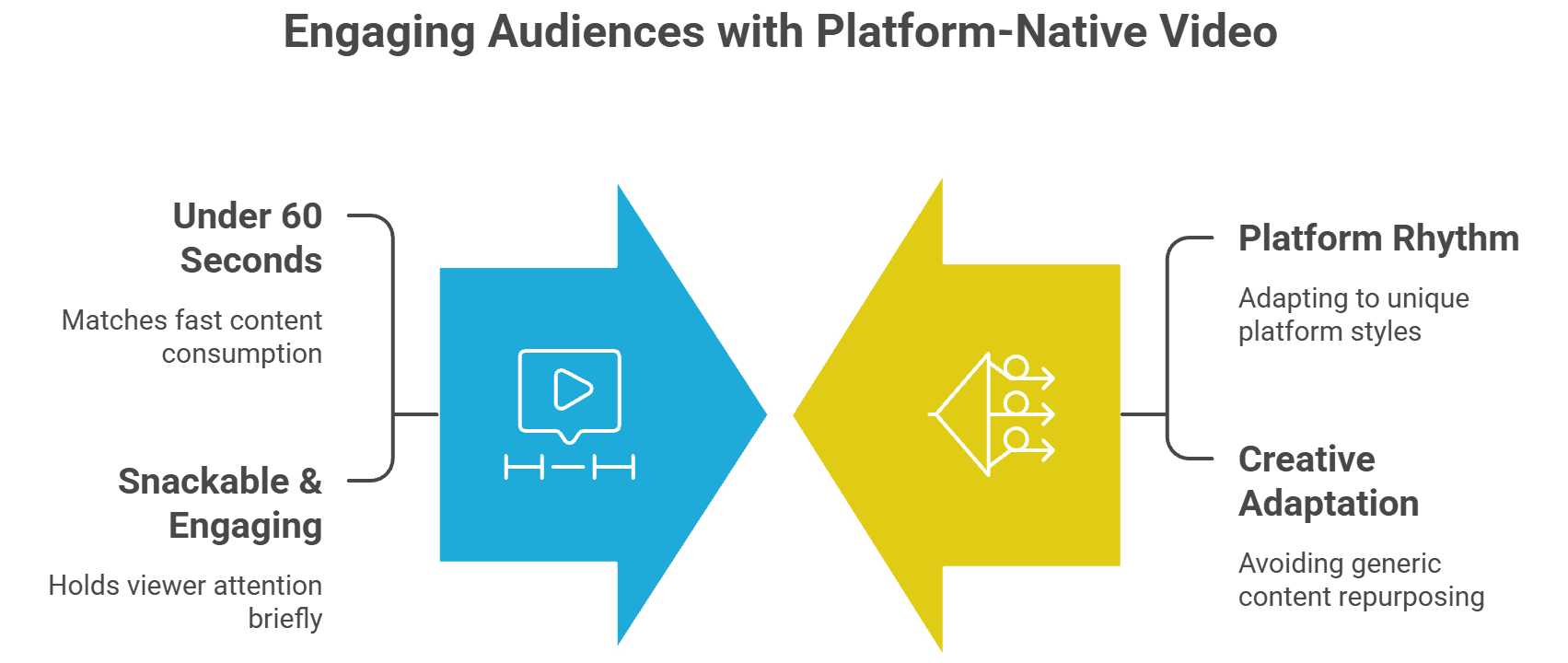
Short-form videos under 60 seconds continue to dominate because they match how we consume content — quick, snackable, engaging.
Platform-First Content Strategy
Each platform has its own rhythm. What works on one won’t necessarily work on another.
In 2026, successful brands don’t repurpose blindly. They adapt creatively.
Community-Led Marketing
Building Tribes, Not Audiences
Followers are rented. Communities are owned.
Smart brands are building private groups, membership circles, and niche communities where engagement runs deep.
Private Communities and Brand Loyalty
When customers feel like insiders, they stay longer. They advocate. They defend your brand.
Community is the new growth engine.
First-Party Data Becomes Gold
The Death of Third-Party Cookies
Privacy regulations have reshaped the digital ecosystem. Third-party tracking is fading.
So what’s left?
Your own data.
Ethical Data Collection Strategies
Email lists. SMS subscribers. App users. Website members.
Brands must earn data through trust, transparency, and value exchange.
Conversational Marketing 2.0
AI Chatbots with Human Emotions
Chatbots are smarter now. They understand tone. They adapt language. They even mimic empathy.
And when done right, customers don’t feel like they’re talking to a robot.
Real-Time Engagement
Speed matters. A five-minute delay feels like forever.
Conversational marketing reduces friction and increases conversions instantly.
Social Commerce Explosion
Shopping Inside Social Platforms
Why send users to a website when they can buy inside the app?
Social platforms have transformed into full-fledged marketplaces.
Influencer-Led Storefronts
Influencers now host digital storefronts. Their audience trusts them. That trust converts.
Performance Branding
Merging Brand and Performance Campaigns
In 2026, brand awareness and performance marketing are not separate departments.
They work together.
Brand builds trust. Performance captures demand.
ROI-Driven Creativity
Creativity isn’t just about looking good. It must convert.
Data-driven storytelling is the new standard.
Micro-Influencer Domination
Authenticity Over Reach
Big influencers have reach. Micro-influencers have trust.
And trust converts better.
Localized Influence
Smaller creators dominate niche markets and regional audiences — especially powerful in diverse markets.
Sustainability and Ethical Marketing
Conscious Consumers in 2026
People care about where products come from. They care about ethics. They care about transparency.
Brands that fake it get exposed.
Transparent Brand Messaging
Authenticity wins. Performative marketing fails.
Immersive Marketing with AR & VR
Virtual Try-Ons and Experiences
Customers can try products virtually before buying. That reduces returns and boosts confidence.
Metaverse Marketing Evolution
While hype has settled, immersive digital experiences are quietly growing stronger.
Automation with a Human Touch
Smart Workflows
Automation saves time. It scales marketing operations.
Avoiding Robotic Branding
But here’s the catch automation without personality kills connection.
Keep it human.
Predictive Analytics and Data Intelligence
Forecasting Customer Behavior
Data now tells you what customers are likely to do next.
Imagine planning campaigns based on probability instead of guesswork.
Smarter Budget Allocation
Ad budgets are optimized dynamically using AI models.
Less waste. More profit.
Omnichannel Customer Journeys
Seamless Experience Across Platforms
Customers move across devices and platforms effortlessly.
Your brand should feel consistent everywhere.
Cross-Device Consistency
Website. Social media. Email. Ads. Offline.
All connected. All aligned.
Conlusion
Digital marketing in 2026 isn’t about chasing every shiny new tool. It’s about understanding behavior, leveraging AI intelligently, building communities, and staying human in an automated world.
The brands that win will be those that blend technology with empathy.
So the real question is — are you adapting fast enough?